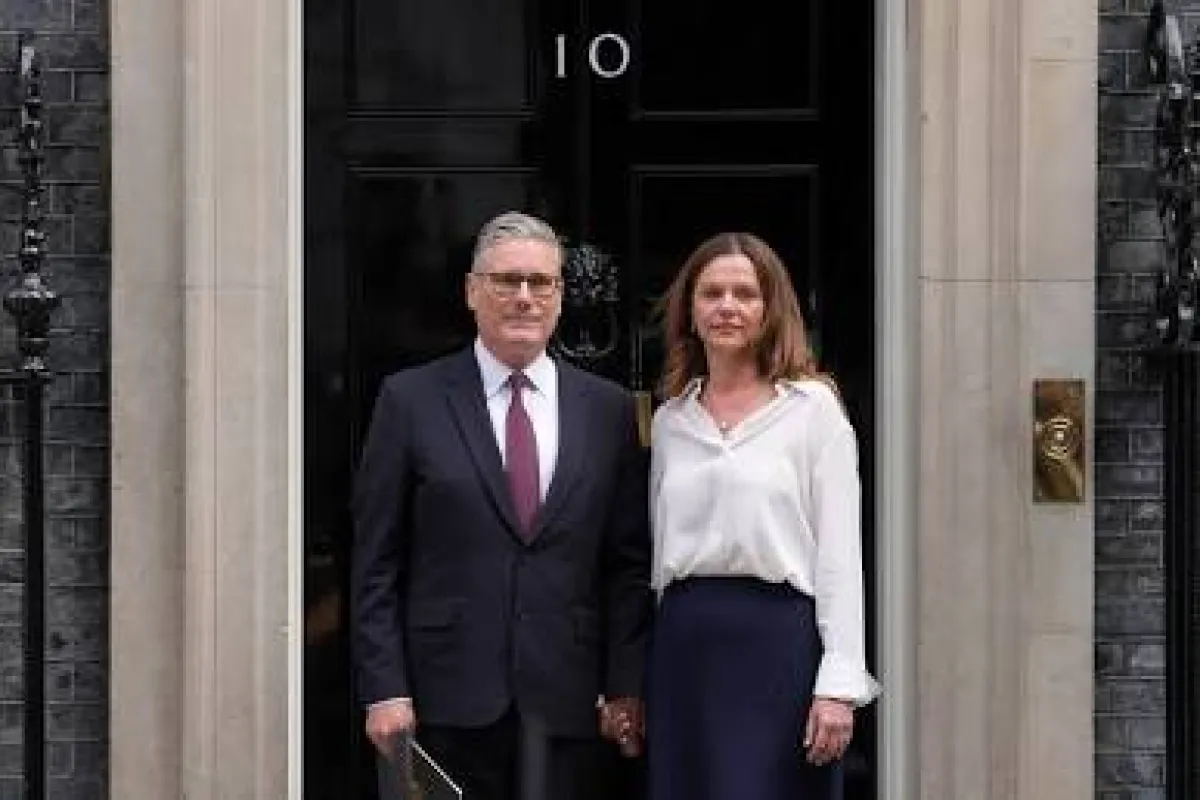
LONDON : The political landscape of the United Kingdom has shifted once again, proving that even the largest parliamentary majorities cannot protect a leader from the shifting tides of public disillusionment and internal party revolt. When Sir Keir Starmer took office in July 2024, he promised a exhausted British public a return to serious, stable governance after 14 years of Conservative rule. Yet, less than two full years into his mandate, Starmer stood at the podium in Downing Street, his voice cracking with emotion, to announce his departure from the world stage. "The question my party is asking now," Starmer admitted candidly before the global press, "is whether I am best placed to lead us into the next general election. I have heard the answer of my parliamentary party to that question, and I accept that answer with good grace." To understand how a leader who secured one of the largest legislative majorities in a century was forced out by his own colleagues requires looking past the surface of Westminister politics.
His resignation was the result of severe domestic stagnation, a devastating diplomatic scandal, and an existential threat from political extremes.1. The Shadow of a High-Profile Scandal While policy failures erode a leader's support slowly, lapses in personal and political judgment can destroy it overnight. The most damaging blow to Starmer’s credibility came from a high-profile diplomatic appointment that quickly became a political liability. Starmer chose to appoint Lord Peter Mandelson, a veteran figure of the Labour Party, as the British Ambassador to the United States. This decision faced immediate blowback due to Mandelson’s past ties to convicted sex offender Jeffrey Epstein. While Starmer eventually dismissed Mandelson in September 2025 as the full extent of those ties came to light, the political damage was already done. The controversy entangled Downing Street in months of intense scrutiny, severely damaging Starmer's reputation as a meticulous, high-principled former human rights lawyer and Director of Public Prosecutions. 2. Economic Disillusionment and Public Despair Starmer’s landslide victory in 2024 was less an enthusiastic embrace of his specific vision and more a rejection of the previous Conservative government. He inherited a nation worn down by years of austerity, public service degradation, and a persistent cost-of-living crisis. Once in power, the Labour government struggled to generate noticeable economic growth or breathe life back into the country's struggling National Health Service (NHS). To voters, the "change" they were promised felt indistinguishable from the stagnation they had endured for over a decade. As public services continued to buckle, Starmer's personal approval ratings plummeted to historic lows, leaving him politically exposed. 3. The Pincer Movement: Reform UK and the Local Elections The true catalyst for the internal party coup was political survival. British lawmakers watched with growing panic as voters abandoned the political center.
The Rise of Reform UK: Led by Nigel Farage, the right-wing, anti-immigration party Reform UK surged in national opinion polls. Reform UK dealt devastating blows to both Labour and the Conservatives during local council elections. The Progressive Split: Simultaneously, progressive, left-leaning voters who felt Starmer had moved too far to the center abandoned Labour for the Green Party. The tipping point occurred when Andy Burnham, the highly popular former Mayor of Greater Manchester, won a crucial special election to return to Parliament. Burnham’s victory provided Labour MPs with a clear, ready-made alternative for the leadership. Realizing that Starmer had become an electoral liability who could cost them their seats in the next general election, Cabinet ministers and backbenchers united to demand his resignation. THE ROTATION OF BRITISH POWER (2016 - 2026)
[ David Cameron ] -> Resigned (Brexit Vote)
│
[ Theresa May ] -> Resigned (Brexit Deadlock)
│
[ Boris Johnson ] -> Resigned (Partygate Scandal)
│
[ Liz Truss ] -> Resigned (Mini-Budget Market Collapse)
│
[ Rishi Sunak ] -> Defeated in 2024 Election
│
[ Keir Starmer ] -> Resigned (Internal Party Revolt)
The Human Element: A Leader Defeated Behind the grand narratives of geopolitics lies the human reality of leadership. Starmer was often criticized by the media as distant or overly bureaucratic, but his final speech revealed a more vulnerable side. Flanked by his wife, Victoria, Starmer spoke directly to his family, expressing a desire to step back from the intense political spotlight and simply be "the best dad I can to my beautiful children." It was a poignant reminder that the pressures of modern political leadership can take a heavy personal toll, even on the most resilient figures. What Lies Ahead for Global Markets and Allies The United Kingdom now faces a rapid, condensed transition of power. Nominations for the next Labour leader open on July 9, 2026, with a new Prime Minister expected to be finalized by the time Parliament returns on September 1. Andy Burnham has emerged as the clear frontrunner to take over the office, drawing widespread support from key party figures like former Health Secretary Wes Streeting. For international allies, this resignation introduces fresh uncertainty to British foreign policy at a critical geopolitical moment. Tensions had already begun to surface between Downing Street and U.S. President Donald Trump over trade, environmental policies, and international conflicts. Following the news of the resignation, President Trump commented publicly on social media, linking Starmer's exit directly to his handling of immigration and domestic energy policies. As the UK prepares to welcome its seventh prime minister in just ten years, the global community is left watching a nation struggling to find its footing, proving that a massive mandate is only as strong as a leader's ability to deliver tangible progress.